

ABOUT THE PROJECT
Future Guardians is a long-term international project created to give children from disadvantaged communities the opportunity to discover, understand and build a personal connection with the natural world that surrounds them.
In many places, children grow up in the countries with extraordinary wildlife and ecosystems, sometimes geographically very close to them, yet without the financial means to ever experience them firsthand. The animals form part of their country, their landscape and their natural heritage, but for many families, entering a national park or travelling to see wildlife remains completely out of reach.

Future Guardians was created to bridge that distance. The project combines environmental education, photography, filmmaking, art and storytelling to accompany children through an entire process: from the way they imagine wildlife before encountering it to the moment they finally see wild animals in their natural environment, and to the way they understand and represent that experience afterwards.
At the heart of the project is a simple conviction: it is difficult to protect something that has always felt distant or abstract.
If we want future generations to care about the natural world, they first need the opportunity to know it, experience it and develop their own emotional relationship with it.
BEFORE THE ENCOUNTER
The experience begins long before the children enter a national park. Through educational activities, stories, conversations and drawings, they are introduced to the animals and ecosystems they are going to encounter.
We talk about how animals live, how they behave, what they eat, how they communicate and why their habitats need to be protected. But we also want to understand what wildlife already means to the children before they see it for themselves.
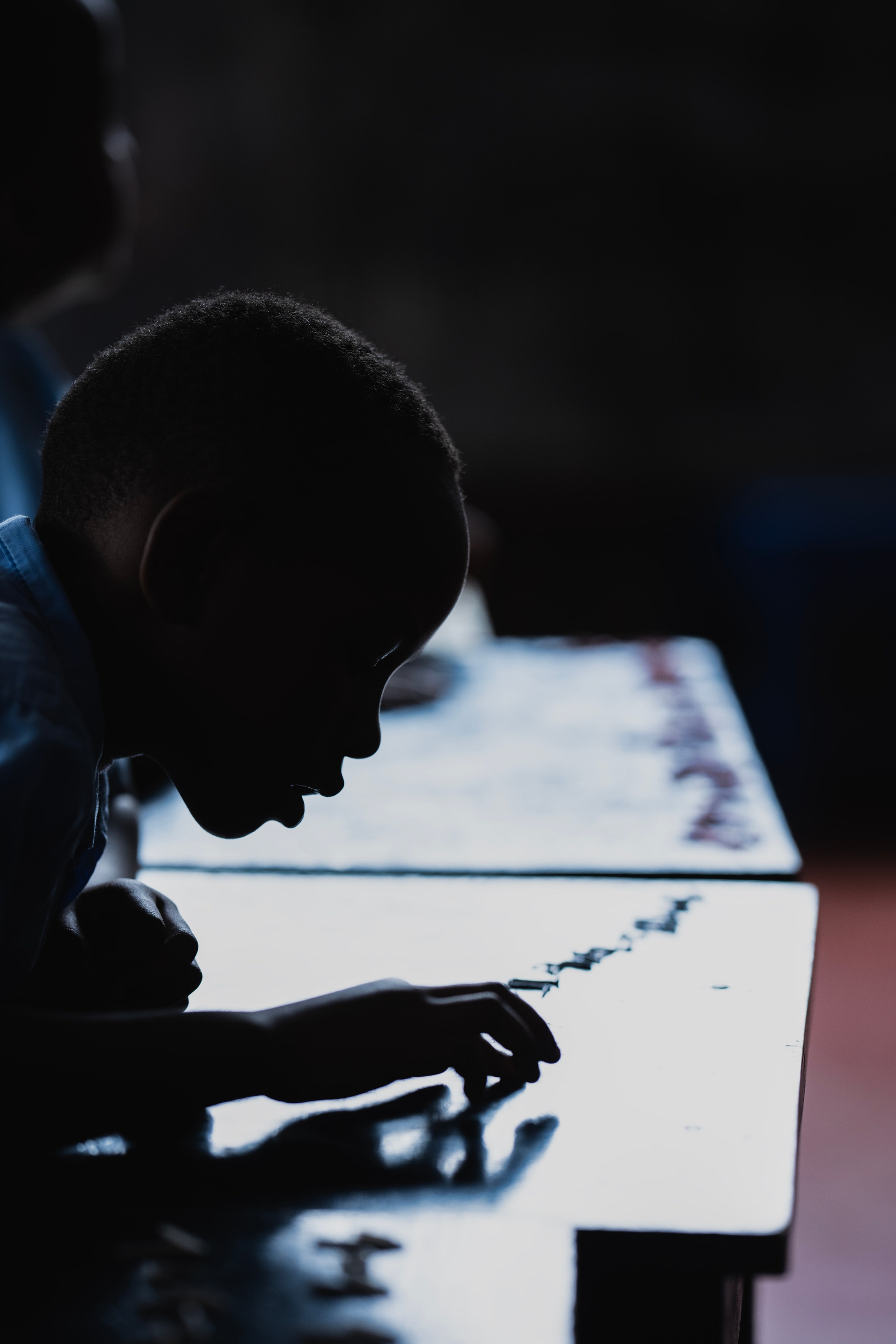
Drawing plays an important role in this first stage. The children are invited to represent animals as they imagine them, based on everything they have heard, seen in books or been told by others. These drawings give us a unique record of their perception before direct experience enters the picture.
Later, after the encounter, we return to many of the same questions and creative exercises to observe what has changed.


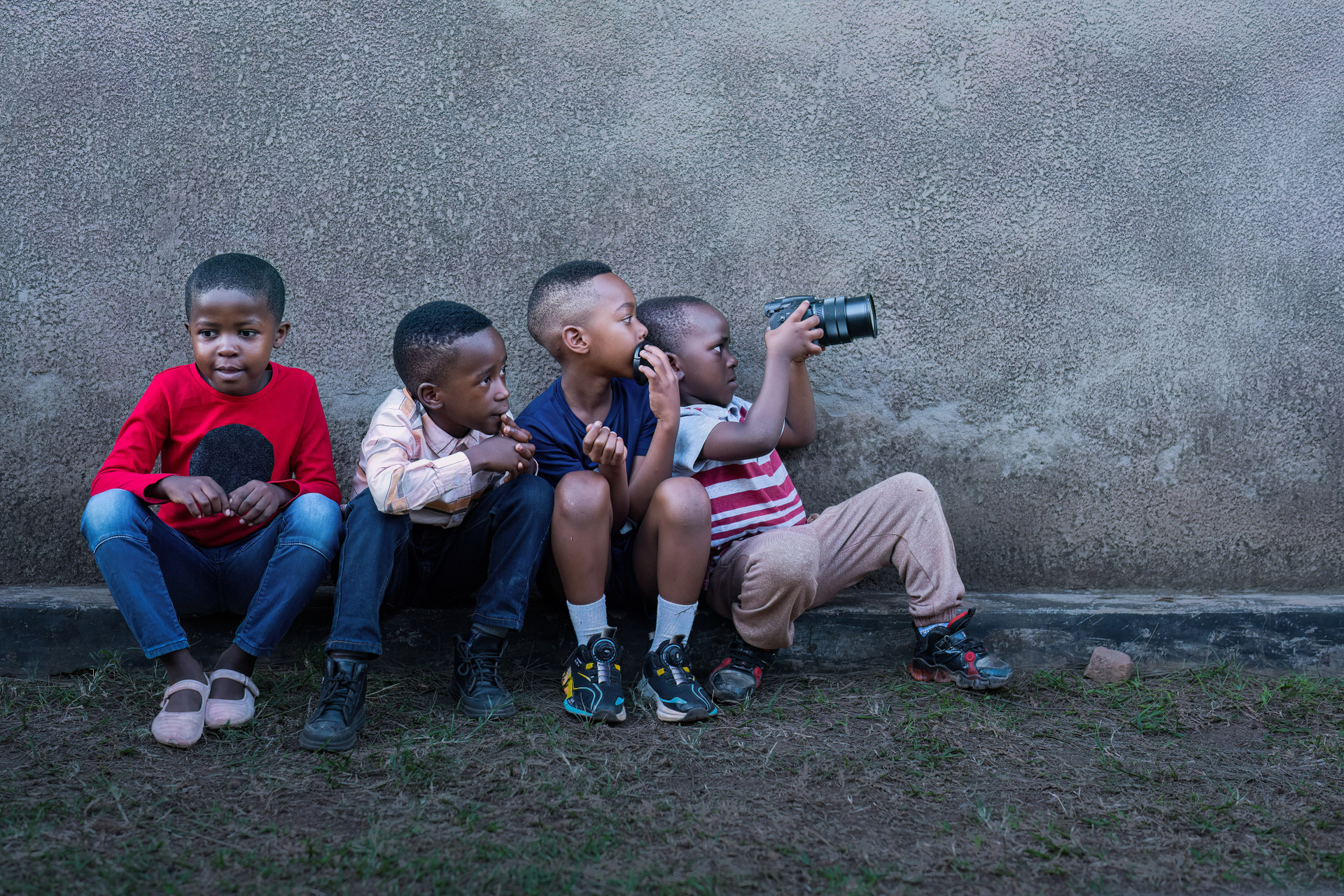
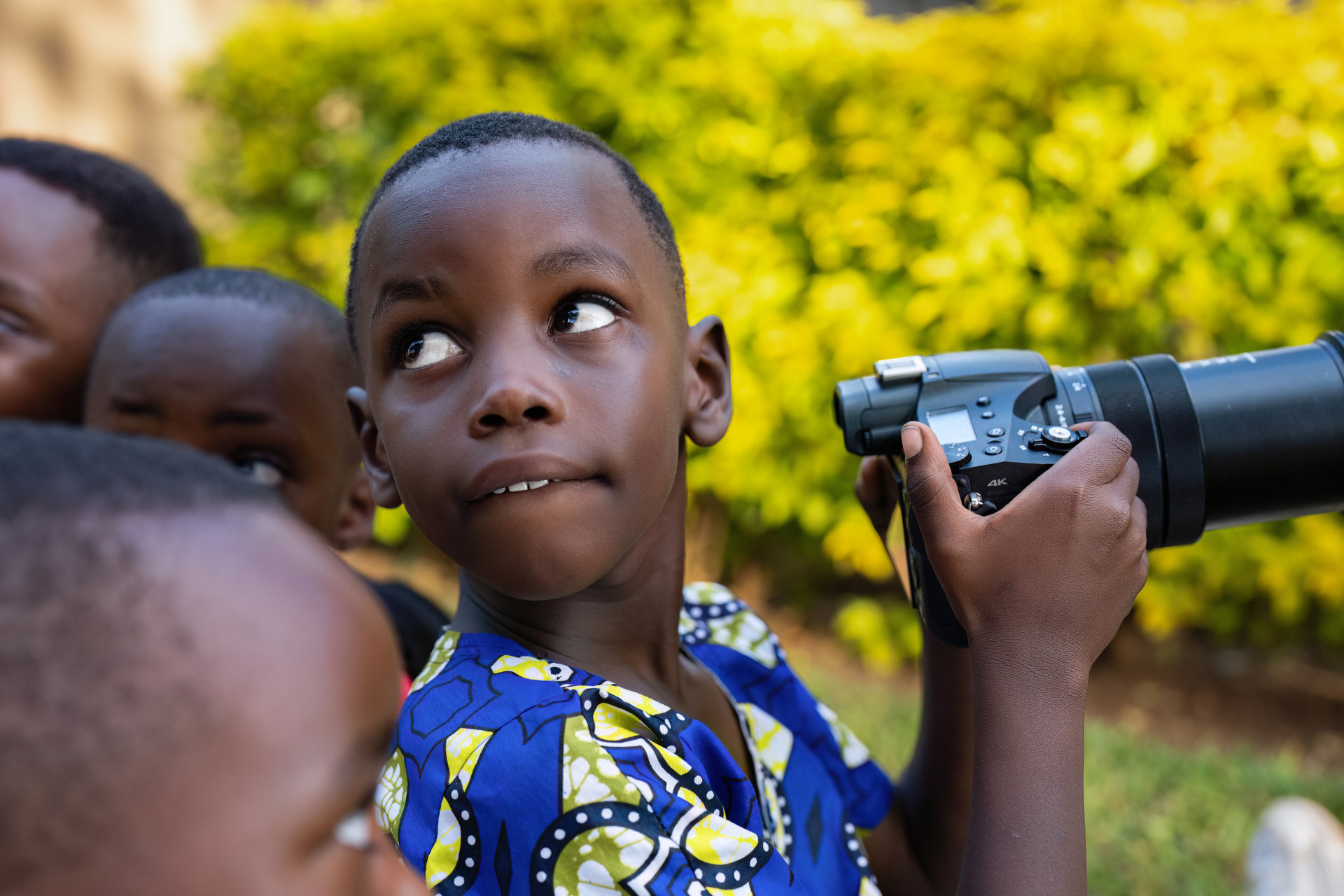
Photography is introduced at this stage as well. We teach the children how to use a camera, but the objective goes far beyond learning how to take a photograph. A camera can become a tool for learning how to observe. It encourages them to slow down, notice details, follow behaviour, wait for something to happen and make a conscious decision about what deserves their attention.
Through photography, they begin to understand the difference between simply looking at something and truly seeing it.
EXPERIENCING WILDLIFE FOR THE FIRST TIME
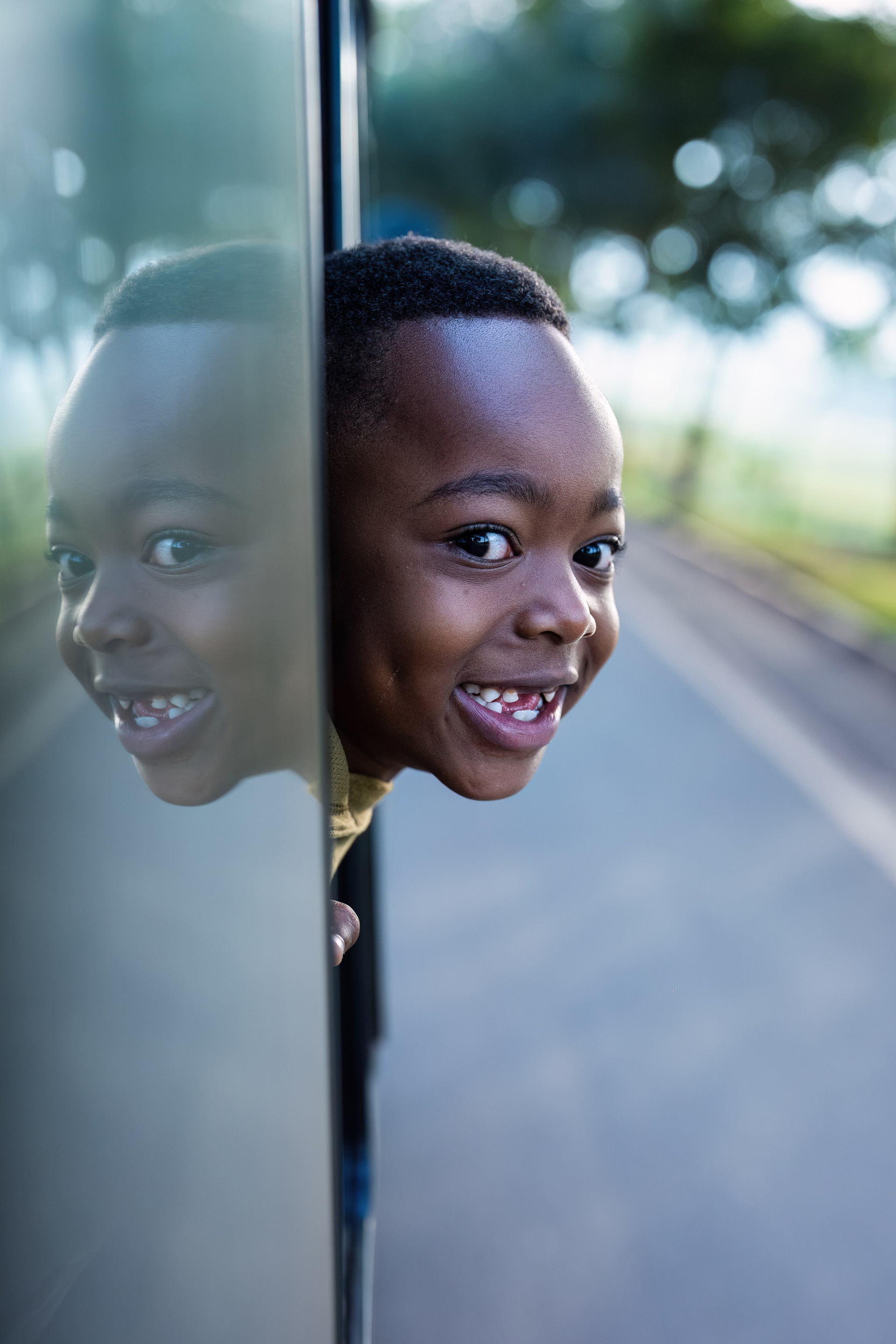
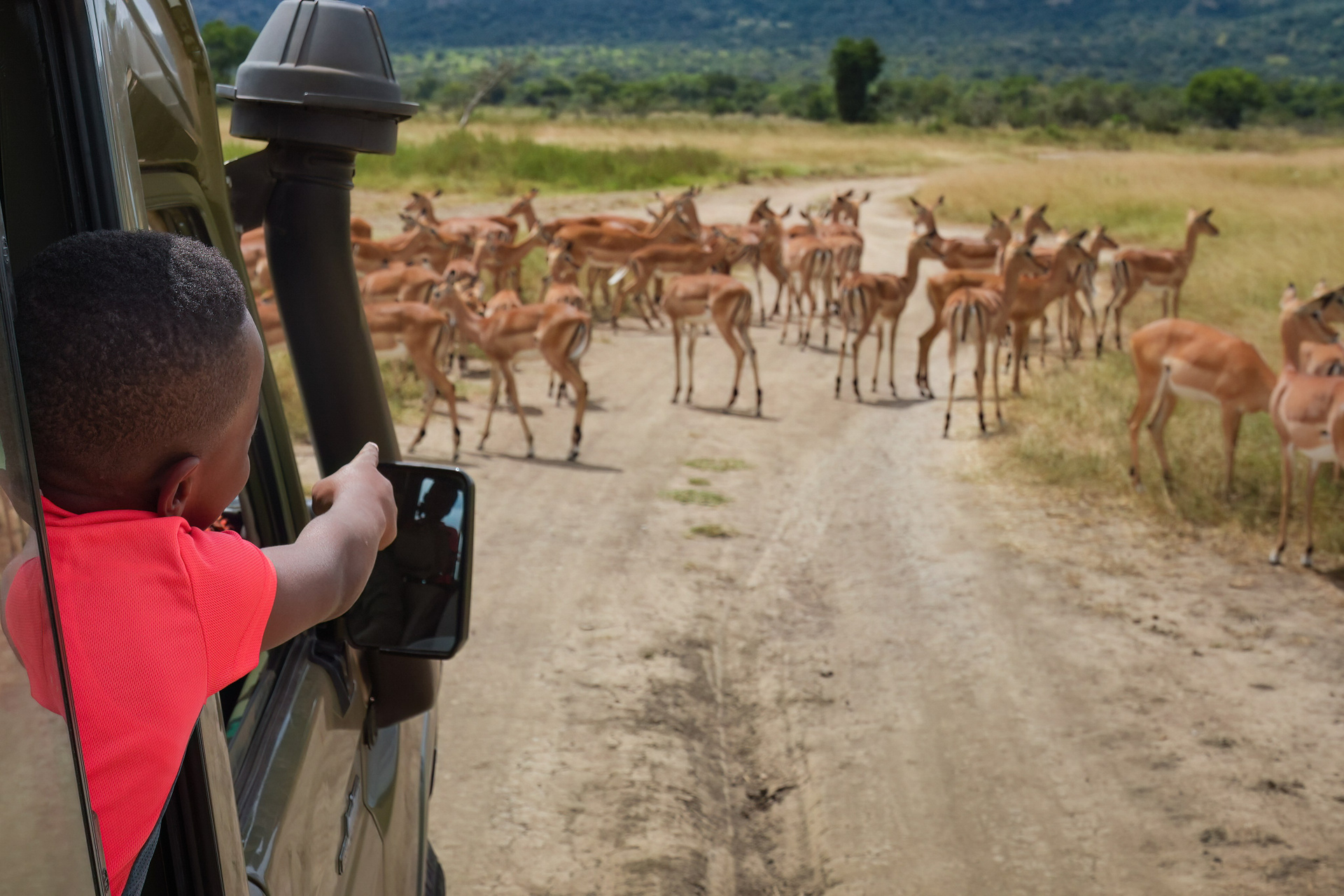
The next stage takes everything that has previously existed through lessons, stories and imagination and turns it into a real experience. The children enter a protected natural environment and encounter wild animals living freely in their own habitat.
For many of them, this is the first time they have ever experienced the wildlife of their own country outside a book, a screen or a classroom. Animals they have drawn and talked about suddenly have a real scale, movement, sound and behaviour. A giraffe is no longer an illustration. An elephant is no longer an abstract idea. The natural world becomes something tangible and immediate.


During these encounters, the children use the cameras by themselves. They decide what to photograph and what attracts their attention. Some concentrate on the most spectacular animals, while others notice birds, landscapes, details or moments that an adult might easily overlook. This is an essential part of Future Guardians because the project is not simply about showing children the nature. It is also about giving them freedom and the tools to discover it through their own eyes.
At the same time, photography and documentary film allow us to record the transformation taking place on the other side of the camera: their reactions, questions, surprise, concentration and excitement.
The story of Future Guardians is therefore not only about wildlife. It is also about what happens to children when something that previously existed only in their imagination suddenly becomes real.
AFTER THE EXPERIENCE
The project continues after the children return to school. We invite them to draw again, talk about what they experienced, answer questions, share their memories and create new work based on what they have seen. Their photographs, drawings, interviews and stories allow us to compare their understanding of wildlife before and after direct contact with it.
This stage is fundamental because Future Guardians is not designed as a recreational visit or a single day in nature.
We are interested in what remains afterwards: which animals they remember, what surprised them, whether their drawings change, what questions appear and how they now speak about the natural world around them.

With the entire process documented before, during and after the encounter, the project creates a visual and emotional record of how direct experience can influence perception. Photography, film, children’s drawings and their own words become different parts of the same story, allowing us to see the natural world from a perspective that is rarely given space: that of a child discovering it for the first time.
CHILDREN OF AKAGERA · RWANDA
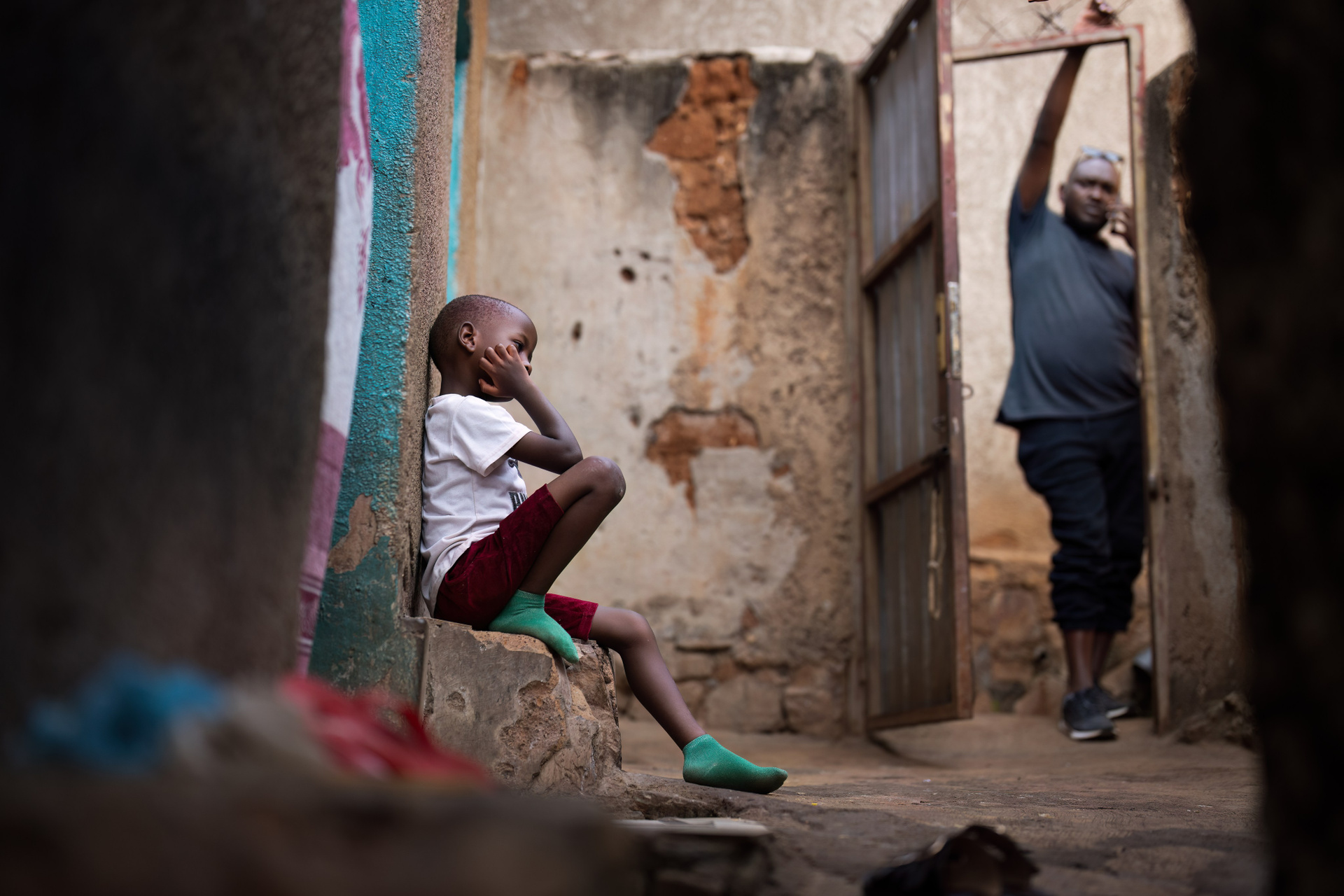
The first chapter of Future Guardians, Children of Akagera, took place in Rwanda with 30 children from Amahoro Nursery School, in collaboration with Progetto Rwanda. The school works with children from some of the most disadvantaged families in Kigali, for whom experiences that many visitors to Rwanda may take for granted are financially inaccessible.
These children are growing up in a country internationally known for its extraordinary biodiversity and wildlife, yet many have never had the opportunity to experience that wildlife in its natural environment. The geographical distance separating them from it is relatively small; the economic distance can be enormous.
Over the course of the project, the children first discovered the animals through educational activities, stories and drawings. They learned how to use cameras and began developing a more attentive way of looking at the world around them.
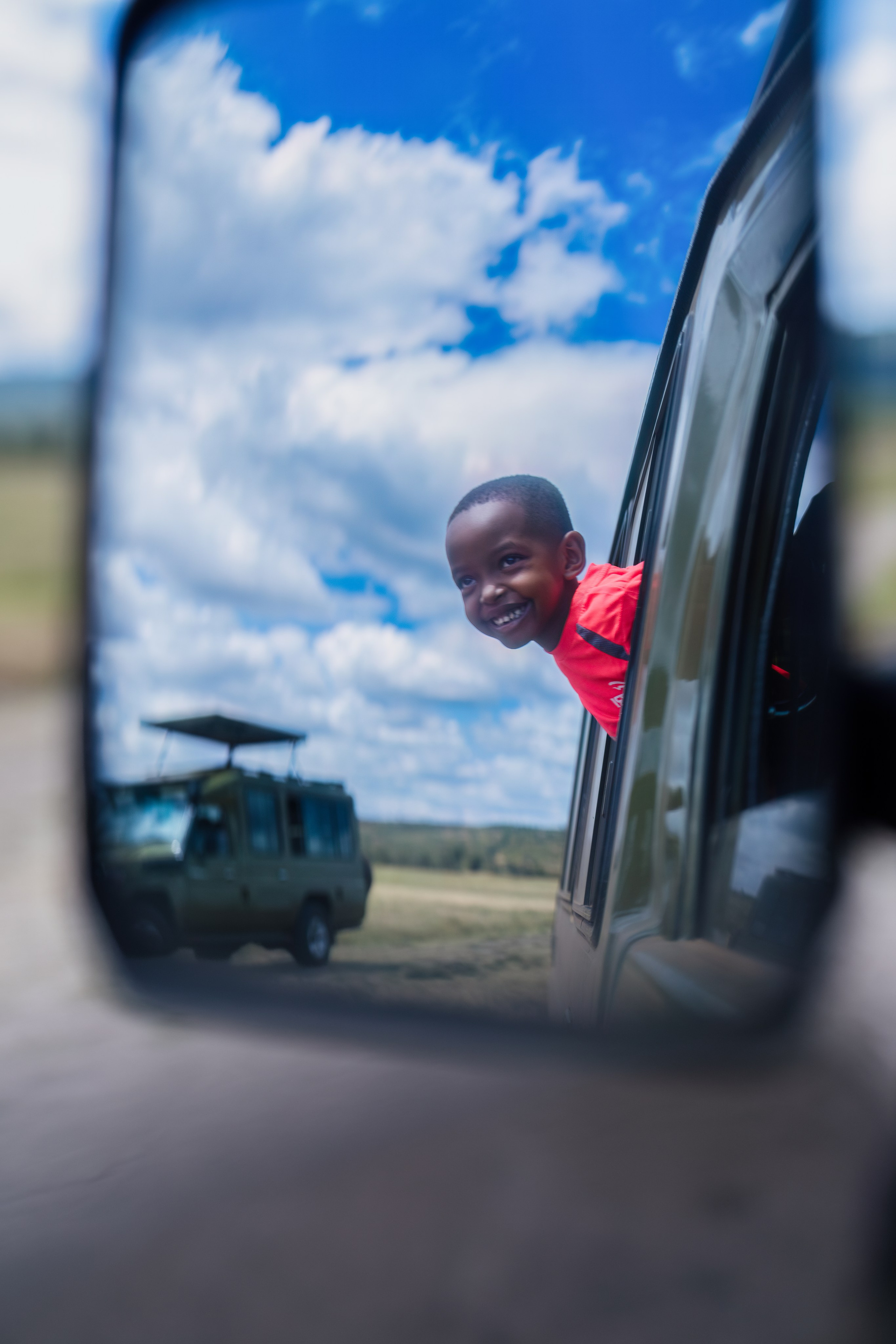
Then they were brought to Akagera National Park, where they were able to encounter and photograph wildlife for themselves.
Afterwards, the project returned with them to the classroom, where their new drawings, memories, conversations and interviews became the final part of the experience.


The photographs they created, the animals they chose to observe, their drawings before and after the experience, their questions and their words are not just the material supporting the project. They are an essential part of its narrative.
Future Guardians is designed not only to tell stories about children, but to allow children to become participants in the way those stories are created and shared.
A LONG-TERM PROJECT
Children of Akagera is only the first chapter. Future Guardians has been conceived as a long-term international initiative that can be developed in different communities and ecosystems around the world, while maintaining the same fundamental structure: education before the encounter, creative preparation, direct experience of nature, photography and observation, followed by reflection and storytelling afterwards.
Every chapter will inevitably be different because every community has its own relationship with the natural environment around it. What remains constant is the objective: to make nature accessible to children who would otherwise have very little opportunity to experience it, and to give them the knowledge and creative tools to develop their own connection with it.
The material generated through each chapter — photography, documentary film, drawings, interviews and children’s own images — can continue beyond the original experience through exhibitions, educational programmes, publications and audiovisual projects.
In this way, the experience of one relatively small group of children can reach a much wider audience and encourage other communities, institutions and individuals to participate.
WHY IT MATTERS
Conservation is often discussed through numbers, endangered species, habitat loss and scientific data. All of these are essential, but conservation also depends on something much more personal: whether people feel that the natural world has something to do with them.
Children cannot be expected to grow up protecting animals and ecosystems that they have never been given the opportunity to know. Future Guardians does not promise that one encounter will determine what a child be like in the future. What it can do is give that child an opportunity that did not exist before: the opportunity to experience wildlife firsthand, to understand it better, to photograph it, to ask questions about it and to discover that the natural heritage of their own country is also part of their own story.
That first connection may last a day, but what the child carries away from it can last much longer. For us, this is where conservation begins: not by telling children what they should care about, but by giving them the possibility to discover for themselves why it might matter.
SUPPORT FUTURE GUARDIANS
Future Guardians can grow only through collaboration and support. Donations allow us to bring these experiences to children and communities that would otherwise have no access to them, covering educational activities, transport, access to protected areas, photographic materials and equipment, local coordination and the creative and documentary work required to develop each chapter.
Supporting Future Guardians means helping another child cross a barrier that is often financial rather than geographical. It means making it possible for a child to encounter a part of their own natural heritage that may have always existed nearby but remained beyond their reach.
It also helps us continue documenting and sharing these experiences, developing new chapters and transforming the material created by the children into exhibitions, films and educational projects capable of carrying their voices much further.